
Outlander: Blood of My Blood Filming Locations
Outlander: Blood of My Blood needed Scotland to perform several different jobs at once. The prequel returns viewers to familiar places such as Castle Leoch and Craigh na Dun, but it also expands the franchise with Lord Lovat’s austere home, the wealthier world of Clan Grant and an entirely separate 20th-century storyline involving Julia and…

Outlander: Blood of My Blood needed Scotland to perform several different jobs at once. The prequel returns viewers to familiar places such as Castle Leoch and Craigh na Dun, but it also expands the franchise with Lord Lovat’s austere home, the wealthier world of Clan Grant and an entirely separate 20th-century storyline involving Julia and Henry Beauchamp. World War I battlefields and London streets had to exist alongside the Highlands without making the series feel visually fragmented. The production accomplished almost all of that within Scotland, mixing historic buildings, private estates, urban Glasgow, remote landscapes and studio sets.
Related: Outlander: Blood of My Blood Season 1 Recap: What to Remember Before Season 2
Doune Castle Returns as Castle Leoch
Doune Castle near Stirling once again provides the exterior of Castle Leoch. The location is already one of the most recognizable places associated with Outlander, so using it again gives the prequel immediate visual continuity with the parent series. In Blood of My Blood, Leoch is still dominated by the MacKenzies, but viewers are seeing it decades before Claire Fraser first arrives there.
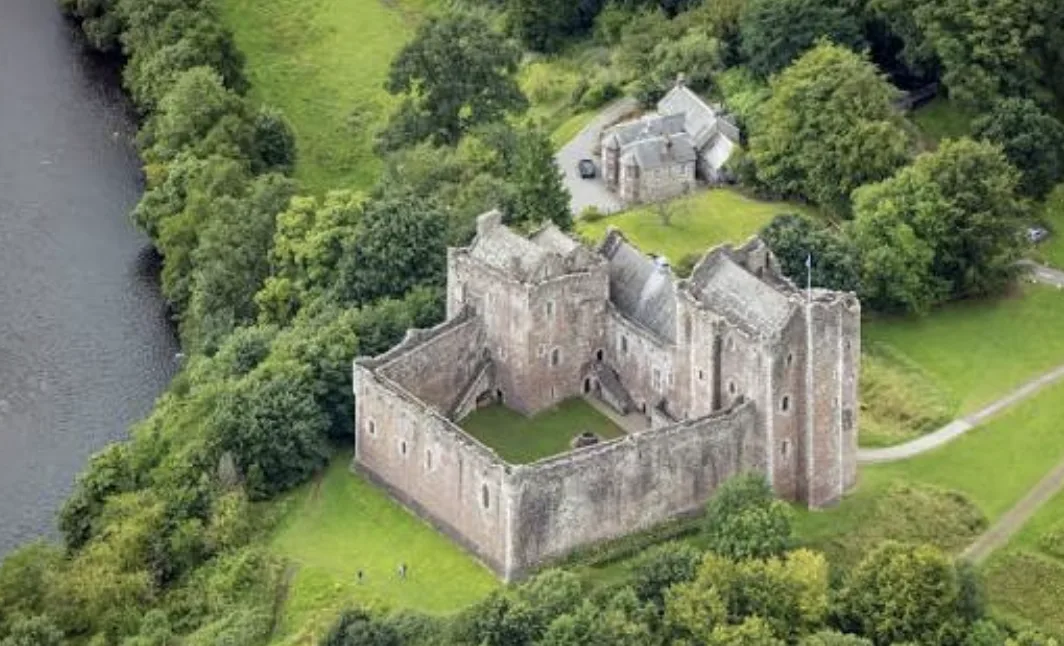
The surrounding grounds were also used to expand the settlement beyond the castle walls. Red Jacob’s funeral, the Gathering and other MacKenzie sequences required the production to dress nearby fields and woodland with period details, performers and livestock. The result makes Leoch feel like the center of an active clan rather than simply a dramatic castle exterior.
Several interiors were not filmed inside Doune itself. The Great Hall and other major rooms were recreated at studio facilities, giving the production more control over lighting and allowing the designers to imagine an earlier version of the spaces familiar from Outlander. That combination of a real exterior and studio interiors is used repeatedly throughout Season 1.
Balvaird Castle Becomes Castle Leathers
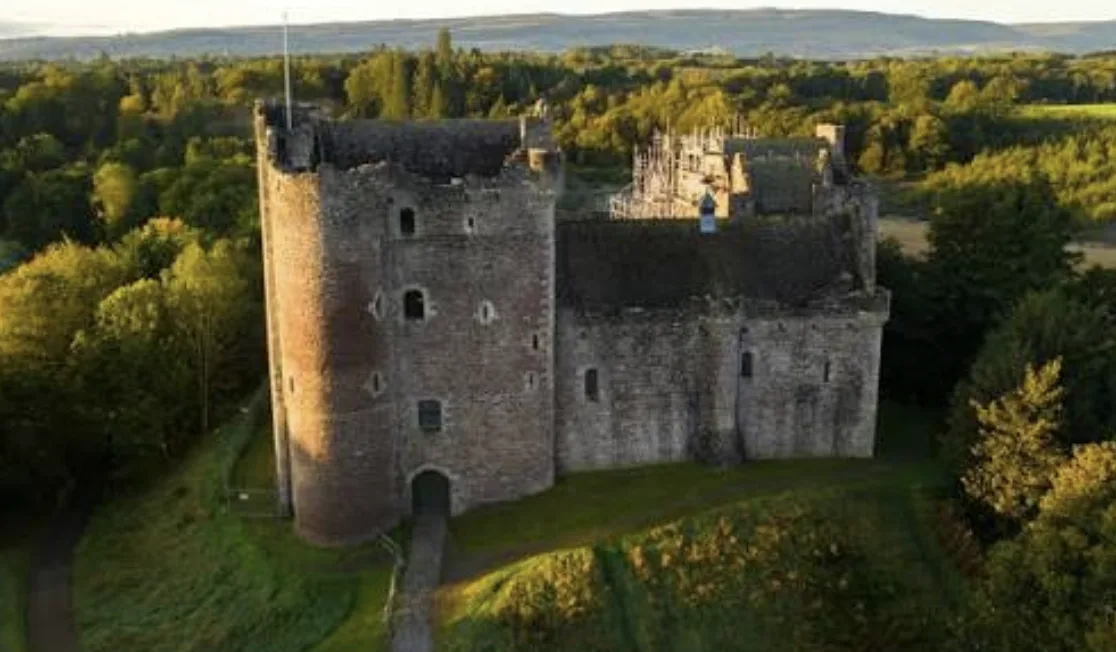
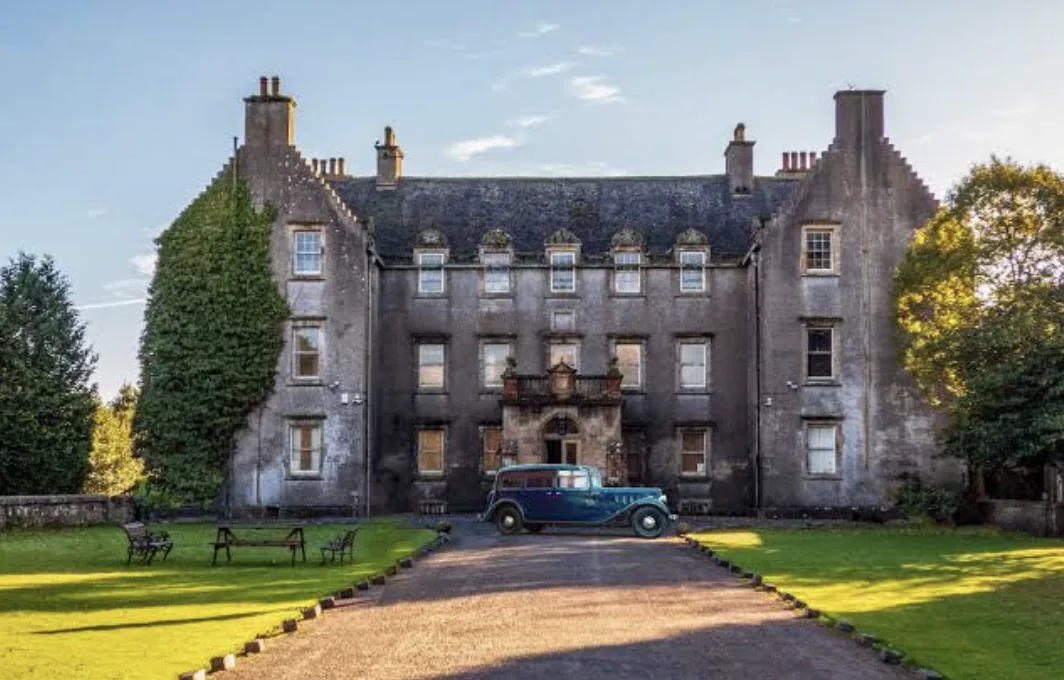
Balvaird Castle in Perth and Kinross provides the exterior of Castle Leathers, the Fraser stronghold controlled by Simon Fraser, Lord Lovat. Its isolated position and weathered stone walls make it visually different from both Castle Leoch and the wealthier Grant properties. That contrast matters because the production deliberately uses architecture to communicate the financial position of each family.
Castle Leathers is where Julia spends much of the season after being brought into Lovat’s household. The exterior comes from Balvaird, while important rooms such as Julia’s attic and the Great Hall were constructed separately. The attic in particular is designed to emphasize how trapped Julia has become, placing her physically above the household while leaving her powerless within it.
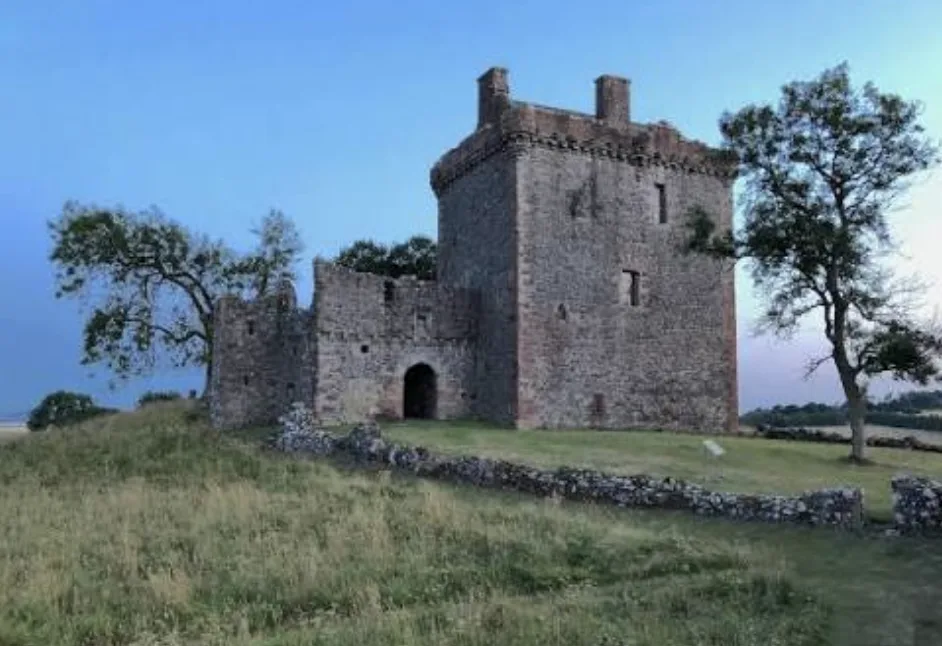
Balvaird is a genuine late medieval tower house rather than a purpose-built movie castle. Its survival gives the Fraser scenes a roughness that would be difficult to create entirely in a studio. The location is also significantly more austere than the Grant world Henry later enters, reinforcing the economic differences between the clans without requiring lengthy exposition.
Blackness Castle Returns in Season 2
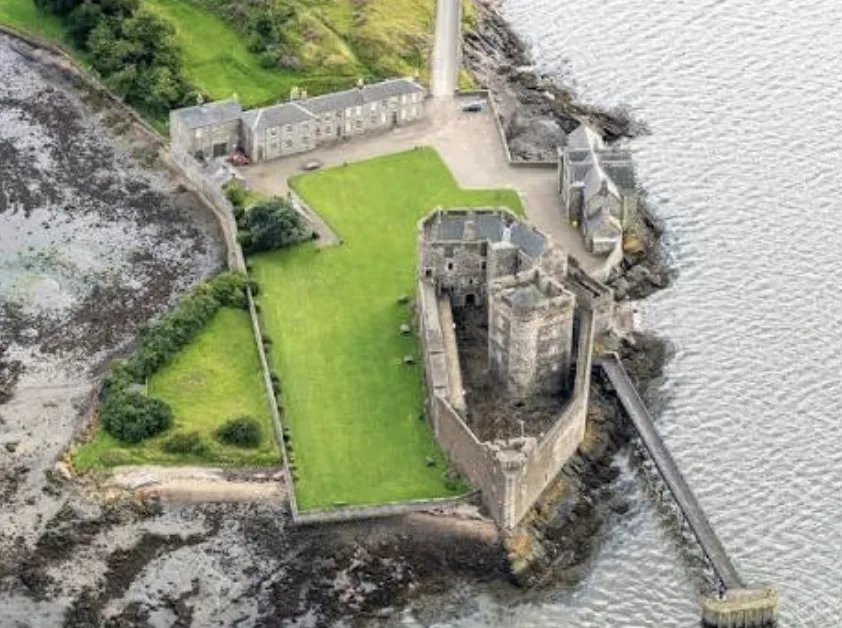
Season 2 brings Blood of My Blood to Blackness Castle, one of the most recognizable locations from the original Outlander. The 15th-century fortress stands on the shore of the Firth of Forth near Linlithgow and is often nicknamed “the ship that never sailed” because of its unusual shape when viewed from the water. Historic Environment Scotland has confirmed that the prequel filmed there for its second season, marking another physical connection between Brian and Ellen’s story and the locations viewers already associate with Jamie Fraser’s world.
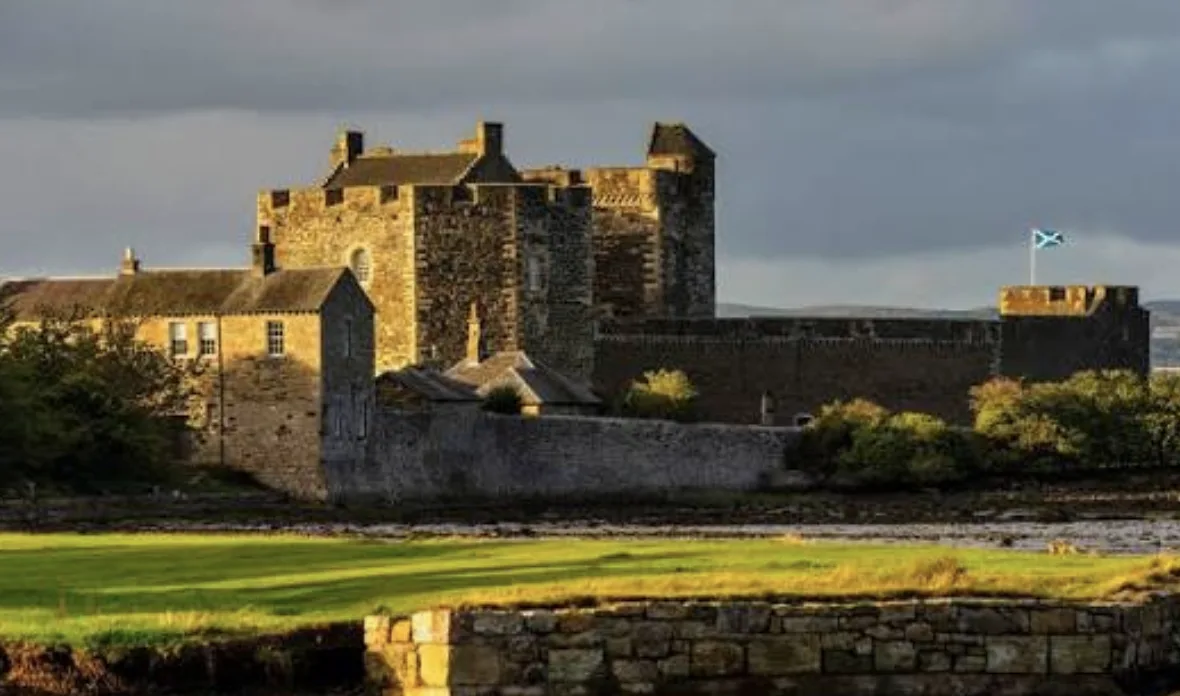
Blackness Castle previously doubled for Fort William in Outlander, where some of Jamie’s most traumatic encounters with Black Jack Randall took place. Exactly what the fortress represents in Blood of My Blood Season 2 has not yet been officially identified. Preview coverage has described a dangerous rescue mission taking place at a “craggy seaside castle.”
Glasgow Stands In for London
Julia and Henry’s early 20th-century scenes may be set in London, but the production remained in Scotland. Glasgow’s Park Terrace and the wider Park Circus area were transformed with period vehicles, costumes and street dressing to remove obvious signs of the modern city. The Victorian architecture already provided much of what the production needed for the historical setting.
The steps connecting Park Terrace with Kelvingrove Park became particularly important to Julia and Henry’s romance. Their relationship begins through wartime correspondence, but these Glasgow locations help turn that exchange of letters into a physical love story. The elegant terraces also give the 20th-century sections a visual identity completely different from the Highland clan homes.
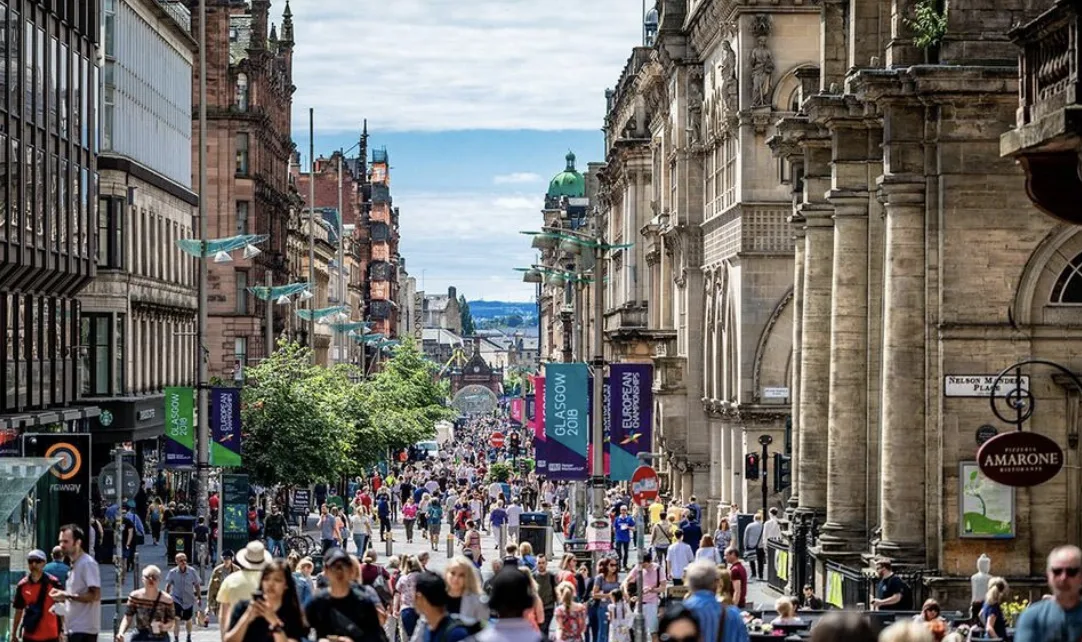
Using Glasgow meant the production could create London without moving a large unit south. It also continues a long Outlander tradition of allowing Scottish cities to double for other parts of Britain and Europe. The result works because the camera concentrates on architecture and period dressing rather than recognizable modern landmarks.
Dunfermline’s Carnegie Hall Becomes the 1920s
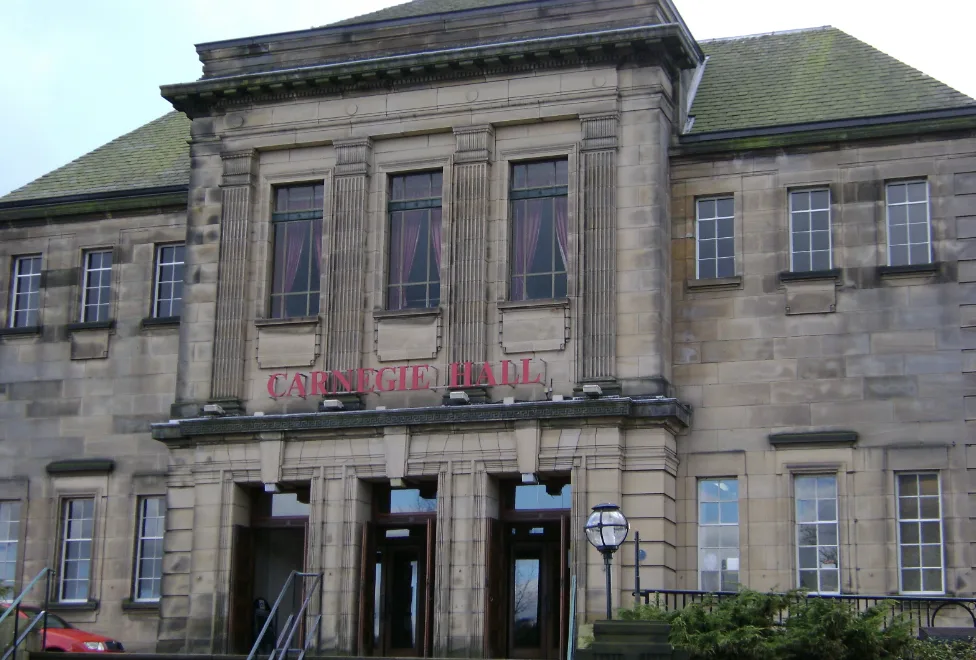
The second season also moves part of Julia and Henry’s story to Dunfermline. Production used Carnegie Hall, the city’s performing arts venue, for scenes set in the 1920s, with period-costumed extras filling the building during filming. An SFX set visit found the hall transformed for a sequence involving audiences leaving an auditorium, although the exact story context has been kept under wraps.
The location is particularly interesting because Season 1 relied heavily on Glasgow to recreate Julia and Henry’s early 20th-century world. Season 2 appears to be widening that side of the production considerably rather than simply returning to the same streets and interior sets. Showrunner Matthew B. Roberts has confirmed that the prequel remains entirely based in Scotland even as its story moves between different periods and settings.
Passchendaele Was Recreated in a Quarry
Henry’s World War I sequences were also filmed in Scotland. Rather than shoot in Belgium, the production transformed a Scottish quarry into the devastated landscape of Passchendaele. The battlefield was not discovered ready-made, and the art department spent months constructing trenches and shaping the environment before filming began.
Weather provided an unpleasant but useful final ingredient. Filming took place during winter, with frozen ground eventually giving way to heavy rain and mud. The conditions helped create the miserable physical environment associated with Passchendaele while also making the shoot considerably more difficult for the cast and crew.
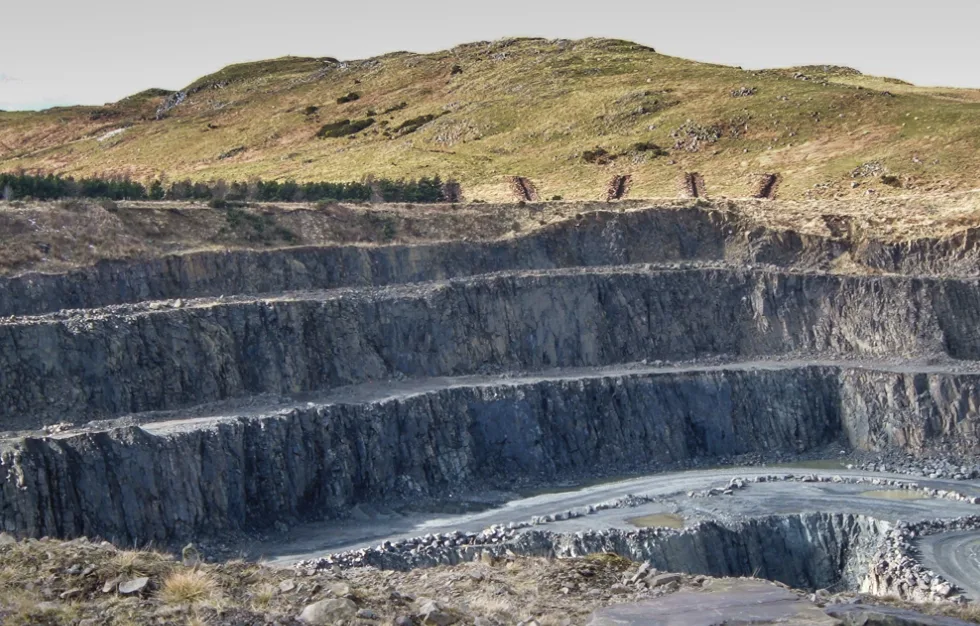
The exact quarry has not been publicly identified. That is important because location guides sometimes attach unnamed production sites to nearby tourist attractions without reliable evidence. In this case, the safest description remains an unidentified Scottish quarry transformed specifically for Henry’s wartime storyline.
Melville House and Private Estates Create Clan Grant
Clan Grant needed to look noticeably wealthier than the Frasers. Melville House in Fife appears among the locations used for the Grant world, bringing a much grander architectural style to Henry’s storyline. The visual difference helps explain why a marriage alliance with the Grants is so valuable to the MacKenzies.
Other Grant interiors were created inside a private estate that the production temporarily redressed. Modern fittings were removed and rooms were altered to create the 18th-century environment needed for Bowmont House. Because the property remains private, it is not a practical Outlander tourist stop in the way Doune Castle is.
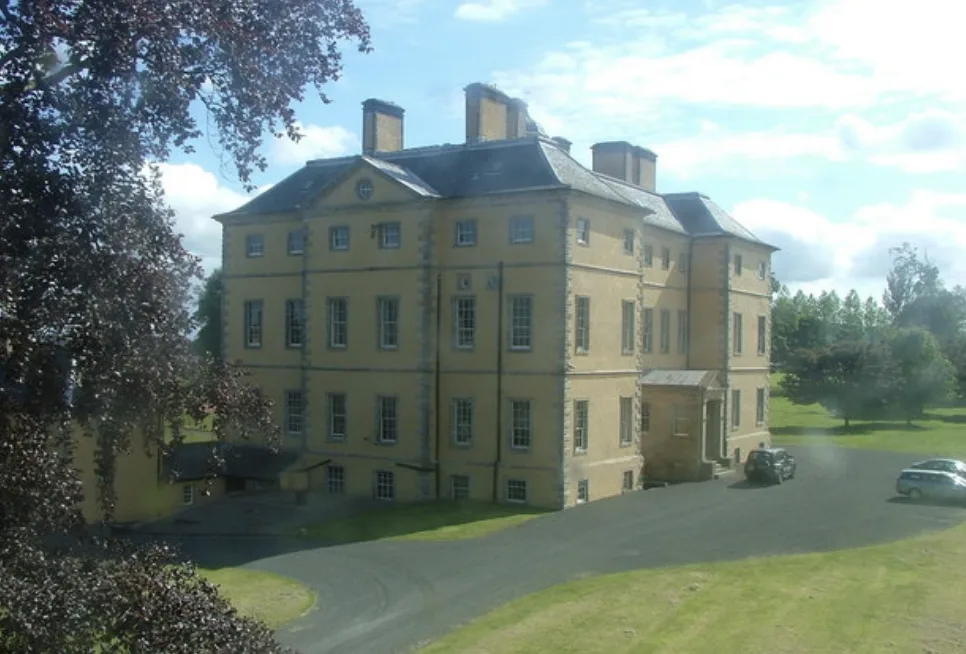
The Grant locations show how carefully the production distinguishes its clans. Leathers feels severe and economically strained, Leoch carries established authority without extravagant wealth, and the Grants inhabit surroundings that make their money immediately visible. Location design becomes part of the political storytelling.
Bannockburn House Adds Real Jacobite History
Bannockburn House near Stirling appears during the growing Jacobite storyline. Its historic rooms provide the setting for Lady Nairn and the secret political gathering involving figures such as Rob Roy. The choice works particularly well because the building has genuine historical associations with the Jacobite period.
As Dougal becomes more deeply involved in the cause, the series begins shifting from private family disagreements toward events capable of reshaping Scotland. Bannockburn House gives those scenes a stronger sense of history because the production is using a place connected to the political world being dramatized. The house was not simply selected because it looked old enough.
Unlike several of the private or unnamed Highland locations, Bannockburn House can be visited. Its connection with the prequel adds another stop for Outlander fans interested in locations that have significance beyond their television appearances.
Luss and Loch Lomond Become the Highlands
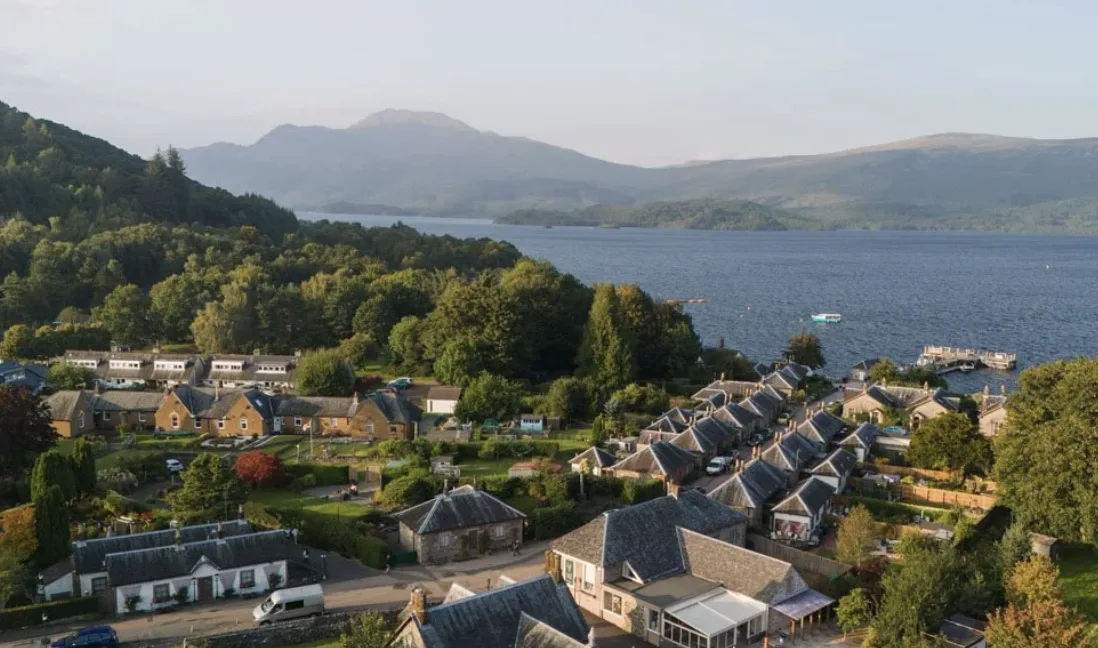
The production also worked around Luss and the wider Loch Lomond area. Existing stone buildings and the surrounding landscape made the region particularly useful for Highland material, although modern elements still had to be disguised. Period carts, horses, extras and temporary dressing helped shift the area back several centuries.
Some of the most striking Highland scenes were much more difficult to reach. The location team has described building lengthy temporary access routes so vehicles and equipment could reach remote areas. At one site connected to Brian and Ellen’s early meetings, equipment had to be transported by quad bike because conventional production vehicles could not get close enough.
Red Jacob’s funeral procession also used isolated Highland terrain that required significant travel for the crew. Those locations have deliberately remained unidentified, partly because they are difficult to access and partly because some sit on private land. They are best understood as working production locations rather than new public tourist attractions.
Beltane Was Filmed Beside a Remote Loch
The Beltane sequence required an especially dramatic Highland setting because it carries both cultural and romantic importance. Brian and Ellen attend the larger celebration before moving away from the crowd, secretly handfasting and committing themselves to one another. The landscape therefore needed to feel intimate enough for their romance while still supporting one of the season’s largest outdoor events.
The production chose a remote loch surrounded by Highland scenery and built the festival into the landscape. Torches, performers, temporary structures and extensive nighttime lighting turned the location into the Beltane celebration seen on screen. Heavy rain made the already difficult shoot more complicated.
The exact loch has not been publicly identified. Rather than attaching the scene to an unverified body of water, it is more accurate to describe it simply as a remote Highland location. The lack of a public name has also helped protect the site from becoming an unofficial tourist destination.
Craigh na Dun Returns Near Kinloch Rannoch
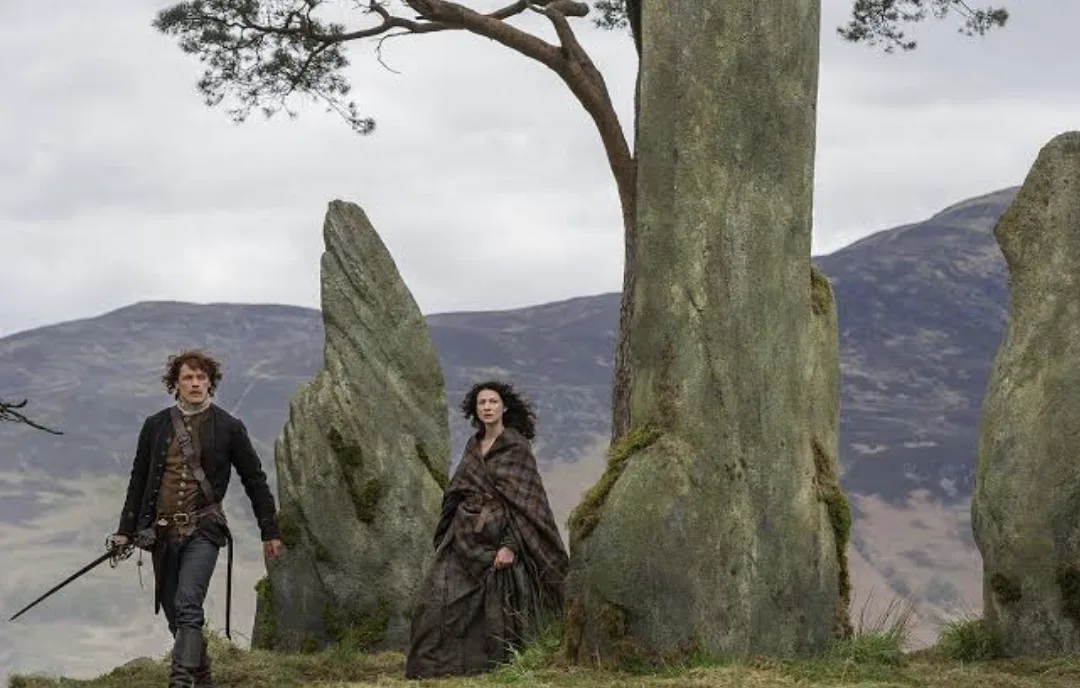
Craigh na Dun remains one of the franchise’s most recognizable locations, and Blood of My Blood brings Julia and Henry to the same landscape connected to their daughter’s future. The filming site lies on private farmland around Lassintullich near Kinloch Rannoch in Perthshire. The grassy hill and surrounding landscape provide the familiar setting for the stones.
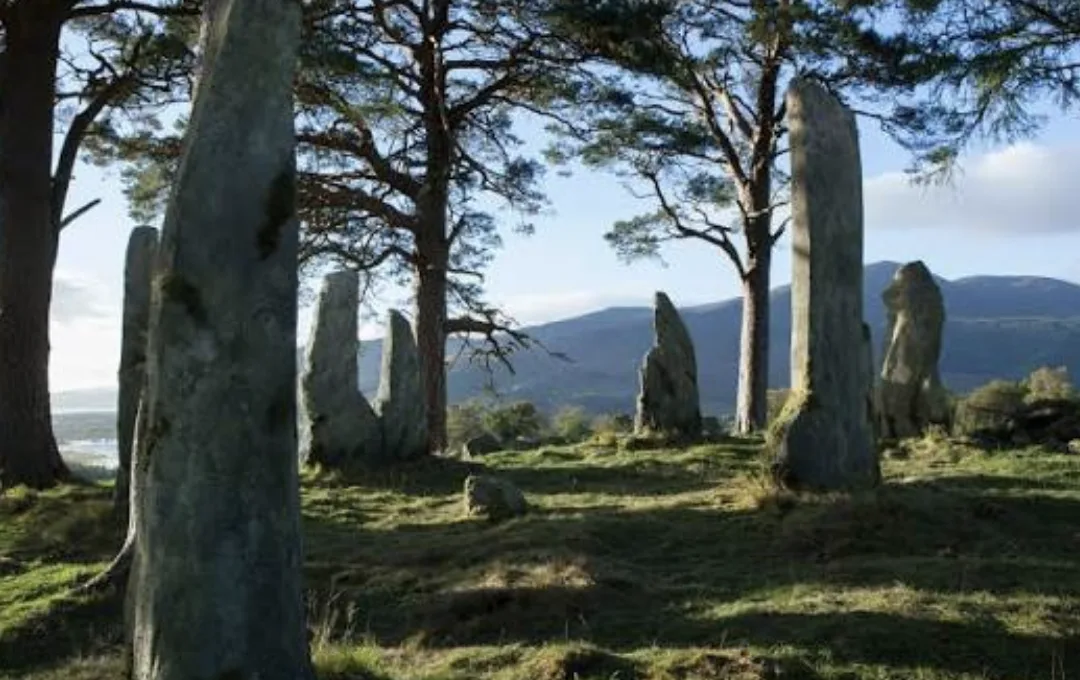
The standing stones themselves are not permanent. They are production props installed for filming and removed afterward, which means visitors will not find a complete stone circle waiting on the hill. The site is also privately owned, so fans should not assume they have unrestricted access simply because the location is famous.
Season 1 gives Craigh na Dun particular importance in the finale. Julia and Henry reach the stones with William and prepare to attempt a journey back to their own century. The location therefore functions as more than franchise nostalgia, becoming the setting for the prequel’s biggest unresolved question.
Wardpark Studios Houses the Major Interior Sets
Many of the rooms that appear to sit inside historic Scottish castles were actually created at Wardpark Film and Television Studios in Cumbernauld. The studio has long been associated with the Outlander franchise and again provided the controlled environment needed for Blood of My Blood. Large interior sets could be built there without placing fragile historic buildings under the pressure of lengthy shoots.
Castle Leoch’s major interiors and the rooms associated with Castle Leathers were among the spaces constructed rather than photographed entirely inside their exterior doubles. The studio work also allows buildings such as Balvaird Castle to appear more complete on television than their surviving real interiors would permit.
That blend is what gives Season 1 its scale. Real castles provide age, texture and landscape, while Wardpark allows the production to create whatever lies behind their doors. Scotland consequently becomes not only the setting of Blood of My Blood, but the raw material from which almost every part of its world is built.


